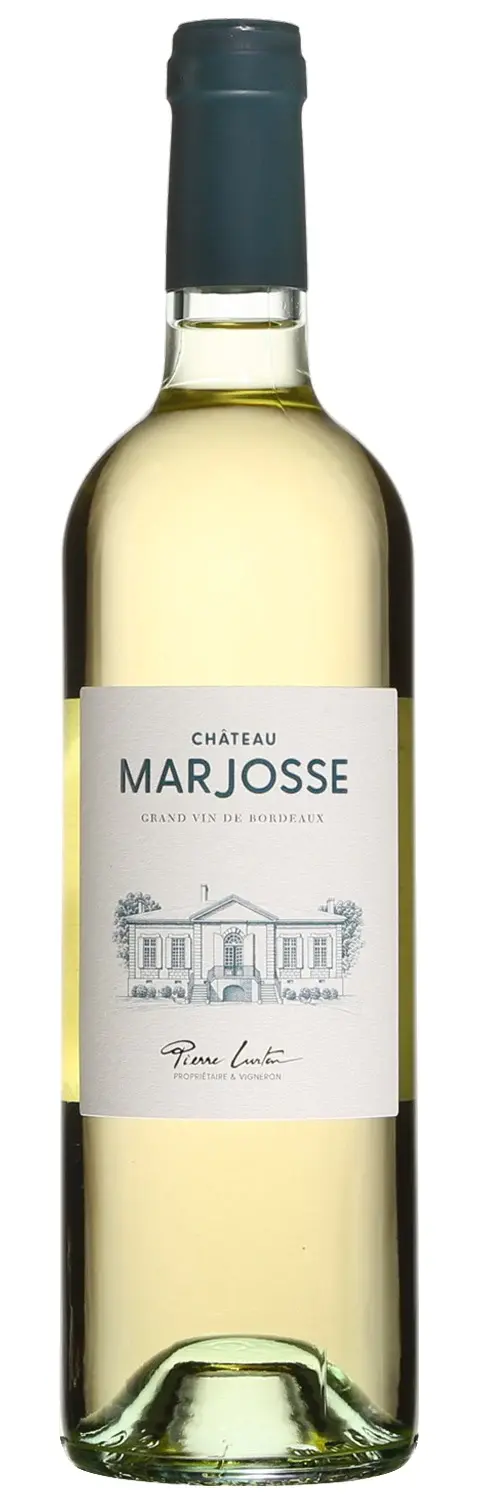
Château Marjosse Blanc 2024 (Bordeaux Supérieur, Pierre Lurton) is a Sauvignon Blanc–Sémillon–Muscadelle blend showing citrus (lemon, grapefruit), green apple, pear, white peach, floral notes and subtle herbaceous lift.
Light to medium-bodied with crisp acidity and a clean, polished texture, it balances Sauvignon-driven freshness with Sémillon roundness and a soft, slightly creamy mid-palate. The finish is zesty, mineral and refreshing, emphasizing drinkability and aromatic purity.
Professional ratings
- 90–92 pts – James Suckling: notes citrus brightness, floral lift and balanced structure
- 89–91 pts – Wine Advocate: praises freshness, purity and accessible style
- 89–90 pts – Vinous: highlights aromatic charm and smooth texture
- 89–91 pts – Decanter: commends value, freshness and easy appeal
Overall, it is rated around 89–92 points, a bright, approachable Bordeaux white focused on freshness and early drinking enjoyment.
Jane Anson 91 Points
Crisp citrus, white pear, a ton of peach juice, slate, cloves, this is unfussy, easy drinking, and great value. Pierre Lurton home estate.
James Suckling 91 Points
Light, crispy stone fruit with gooseberries and guava. Dry, this has light to medium body and good acidity. Medium finish.
Vinous 90 Points
Just bottled, the 2024 Marjosse is pretty hard to beat for its quality and price. Brisk, dry and inviting, the 2024 will make a fine apéritif. White flowers, citrus peel, mint and almond linger.
Winemaker Notes
Beautiful and brilliant light straw color. Very complex aromas that include citrus (grapefruit and lemon), mango, pineapple, pear and white peach. In the palette Marjosse is at once fresh and surprisingly fat and lengthy.
Château Marjosse Blanc 2024 is, as usual, a blend of sauvignon blanc (44%), sauvignon gris (20%), sémillon (32%) and muscadelle (4%). This year, for the first time, each kind of grape was harvested and vinified separately in order to have even greater control over the final blend, using only the finest lots. Grapes were harvested at night or during the early morning to take advantage of the cooler temperatures, control oxidation and preserve maximum freshness and complexity of aromas.
Once at the cellar the grapes were pressed immediately and the juice protected from oxidation by a blanket of carbon dioxide vapor.The must rested in cool cement vats with its sediments for days before starting to ferment. For one to two weeks a slow fermentation took place, gently bringing out the full aromatic palette. After that the wine stays in cement vats on the lees which are stirred twice a week.