Tasting Notes
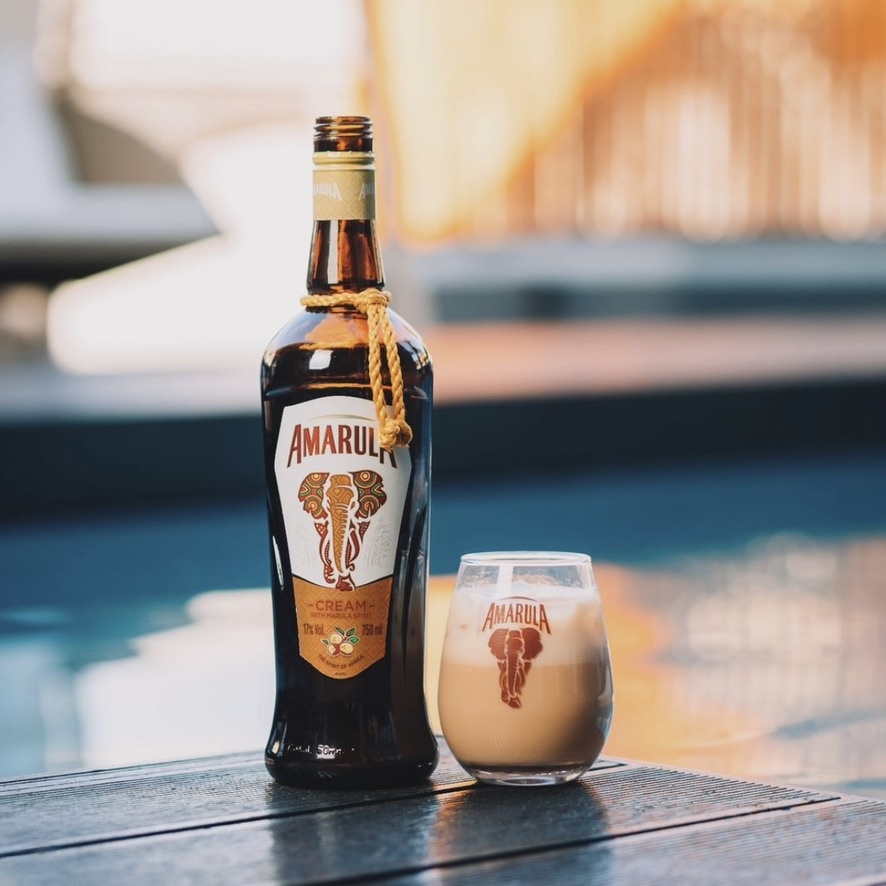
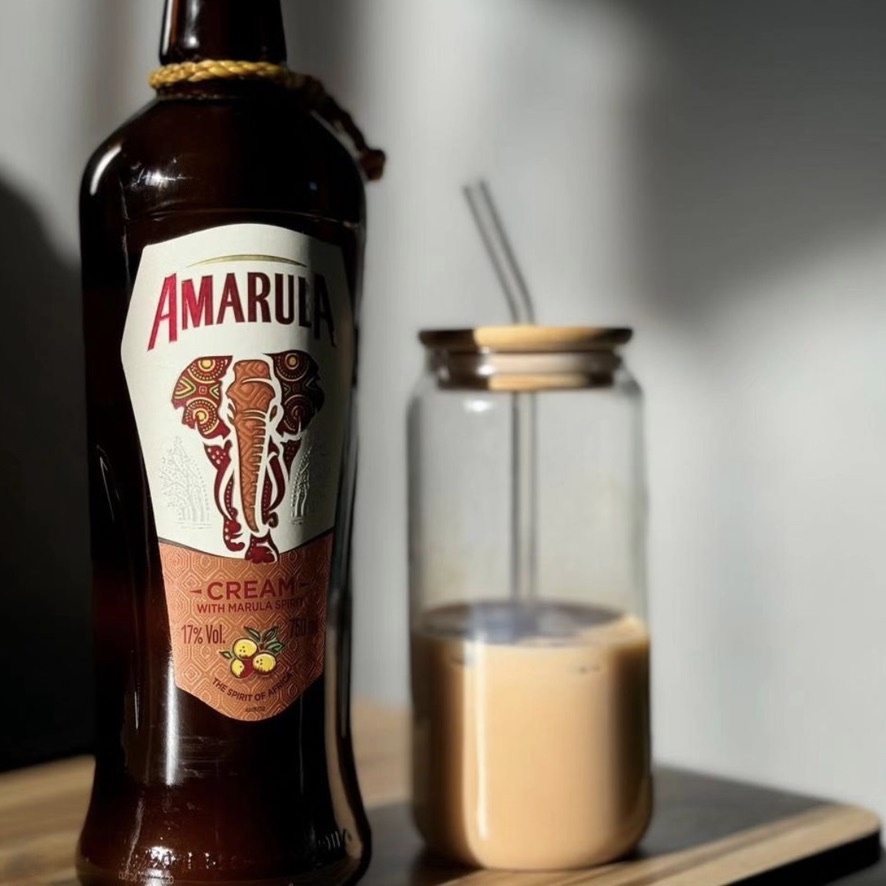
Color: Looks like milky coffee in the glass, with a decadent but not-too-heavy creaminess
Nose: A distinct citrusy note of orange combines with rich vanilla and a toasty nuttiness.
Palate: Plush and mouth-filling, it initially hits the palate like velvet, and yet manages never to feel too heavy or overpowering. Flavors of vanilla bean, creamsicle orange, Italian nougat Torrone, and a hint of toasted hazelnuts predominate.
Finish: The predominant nutty, citrusy, and creamy flavors hang on, but the finish isn’t too coating or cloying.
Our Review
Amarula actually began as a clear spirit, distilled by macerating the flesh of the marula fruit, particular to countries in sub-equatorial Africa and a favorite treat of the local elephant populations. The size of a small apple, the flesh of this yellow-skinned fruit, sort of a cross between a plum and a melon, has a distinctive citrusy, tangy flavor; its pit contains an edible nut. The liqueur’s success in Africa and beyond led its creators to found the Amarula Trust in 2002, intended to help safeguard endangered African elephants. Symbolized in the subtle tusks that run along the sides of the liqueur’s bottle, the Amarula Trust raises money and awareness for Africa’s dwindling elephant population, now as low as 400,000 from upwards of 5 million just a decade ago, the victims of poachers and other maladies.
It’s difficult to describe the flavor the marula fruit imparts to this liqueur. It’s a bit nutty and also citrusy. The overall texture is milky, unmistakably a cream liqueur, but it’s a bit lighter and less sticky-sweet than many other cream liqueurs on the market. How to use it? Sip it over ice, or try swapping it into a cocktail that calls for a different cream liqueur and taste how the resulting drink is slightly brighter than what you’ve come to expect.
While it’s recommended that, once opened, you consume Amarula within six months, it probably won’t even sit around that long. Cream liqueurs can seem a little fusty sometimes, and there certainly has been a slow but growing movement of new high-quality craft versions. Amarula, while not new, certainly feels more modern, taking a cue from the locavore movement in the source of its spirit base. And, maybe most winningly, for all its velvety richness and decadent flavor, it isn’t so weighty that it ever feels overwhelming in taste or texture.