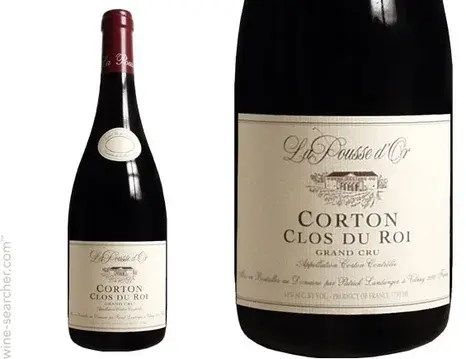
Yes — the 2022 Domaine de la Pousse d’Or Corton “Clos du Roi” Grand Cru is a very highly regarded wine, and the professional reviews are particularly encouraging. It is 100% Pinot Noir from the Côte de Beaune.
2022 professional ratings
The strongest published score I found is 94–97 from Fine Wine Review, describing it as denser, fuller and more powerful, with great depth and length, while emphasizing that it needs time.
What the critics say
Fine Wine Review — 94–97
This is an especially strong review. The wine is characterized as dense, full and powerful, with excellent depth and length. The reviewer explicitly says it needs time to reveal everything it has.
Tim Atkin / Christy Canterbury MW — 94
Canterbury finds a lavishly floral nose, pristine purple fruit, kitchen spice, fresh acidity and very fine tannins. Her assessment is that it's already enticing but will improve with age.
Burghound / Allen Meadows — 92–95
This is perhaps the most useful review for deciding when to drink it. Meadows describes a cooler, gamier, spicier nose, sleek medium-bodied fruit, gorgeous mouthfeel, excellent balance and firm, refined structure. His recommendation is unusually explicit: don't touch it before roughly 10 years of age, with drinking extending to 2037+.
Vinous — 92–95
The Vinous range is also solidly in Grand Cru territory.
Style of the 2022
This is an interesting Clos du Roi rather than a brute-force Corton. The site traditionally gives power, but Pousse d'Or's version emphasizes finesse and elegance alongside the structure.
The 2022 shows:
- Black and red cherry
- Purple/blue fruit
- Violet and floral notes
- Wild mint / oregano
- Stone and mineral character
- Baking spice and a touch of mocha
- Very fine, persistent tannins
- Bright, energetic acidity
The estate's wine is aged for about 18 months in barrel, with roughly 30% new oak.
An excellent tasting note from Honest Grapes describes the 2022 as high-toned, energetic, elegant, fresh and stony, emphasizing intensity rather than density.
Drinking window
Don't mistake its current approachability for maturity.
I'd target:
- 2026–2029: enjoyable with substantial aeration
- 2030–2035: sweet spot begins
- 2035–2040+: mature/tertiary territory
Another Burgundy specialist gives 2030 as the beginning of the drinking window and 2032–2040 as the anticipated peak, which is consistent with Meadows' much more conservative advice.
My assessment
Professional consensus: ~94–95 points.
I'd rate the wine 94–96 potential based on the critics I've found. The combination of the 94–97 Fine Wine Review, 94 Tim Atkin, 95 Bettane & Desseauve, and 92–95 Burghound makes this a very compelling 2022 Corton.
Importantly, 2022 Burgundy was an excellent vintage, and this looks like one of the more serious Pousse d'Or bottlings. The main caveat is patience: this is a wine I'd buy to cellar rather than open tonight.
Winery Notes
Domaine de la Pousse d’Or has for decades been the collector’s choice for expressive and memorable wines from Burgundy’s most hallowed terroirs. This historic estate is one of the Burgundian elite, in a similar realm of such exclusive wineries like Romanée-Conti and Comte de Vogüé, with its strict selection and seamless winemaking. The history of Pousse d’Or in Volnay underscores its influence throughout the ages. In 1855, the winery was part of a larger domaine that included such names as Romanée-Conti and Clos de Tart. Originally called La Bousse d’Or (Bousse, in old French, means earth; thus, “golden earth”), the Domaine changed owners a number of times until legend Gérard Potel took the reins. It was Potel that put the estate’s wines on the map, with the elegant, refined style that Pousse d’Or is still known for today. In 1997, Patrick Landanger purchased the winery and its vineyards. In the mid-2000s, Landanger added an impressive collection of Côte de Nuits vineyards (from Domaine Moine-Hudelot) to his portfolio. Pousse d’Or has three premier cru monopoles, or exclusively estate-owned vineyards, in Volnay: ‘Clos de la Bousse d’Or,’ ‘Clos des Soixante (60)-Ouvrées’ and ‘Clos d’Audignac.’ Pousse’s attention to detail and dedication to organic viticulture (the estate is not certified but has followed organic principles for years) is serious. Vineyards are cared for without the use of pesticides or herbicides and are regularly plowed. Grapes are harvested and sorted by hand, and bunches are destemmed and fermented on indigenous yeasts in temperature-controlled tanks. Wines are aged from 15 to 18 months in French oak barrels, with between 30 to 50 percent new wood, depending on the cru. In recent vintages, Landanger has been experimenting with terracotta amphorae for aging some of his premier cru wines. All wines are bottled by gravity and are unfined and unfiltered.