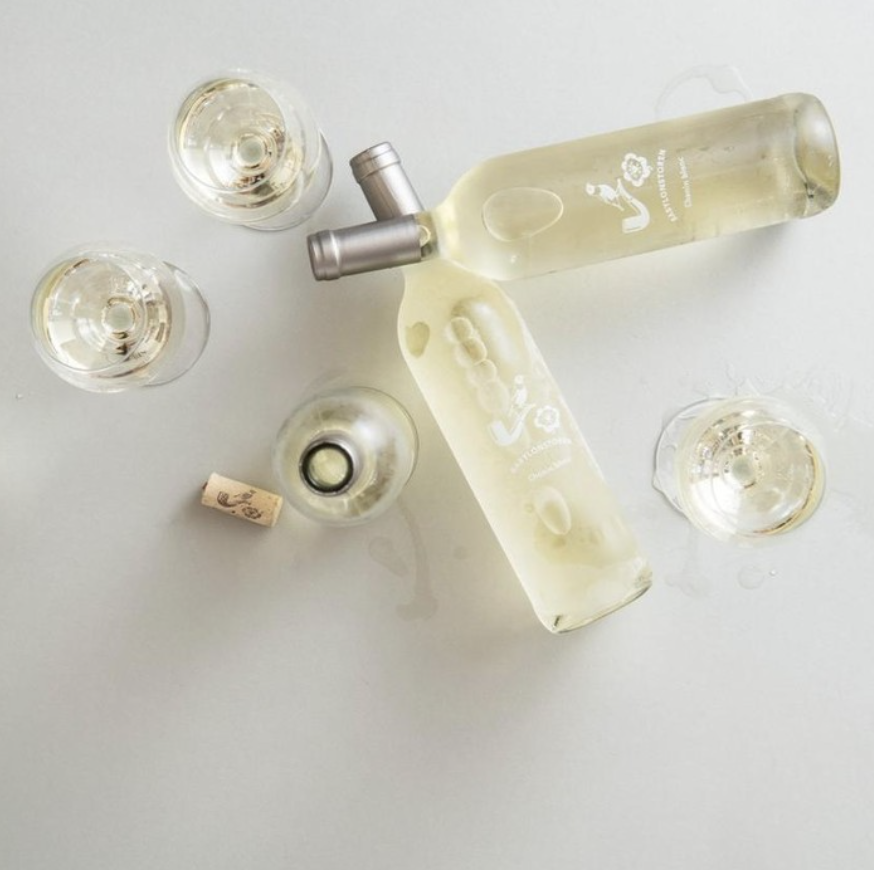
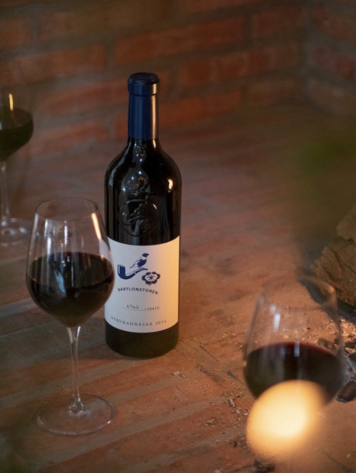
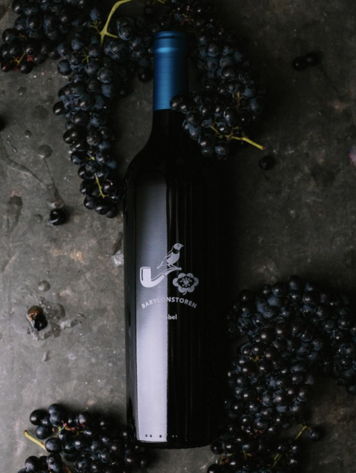
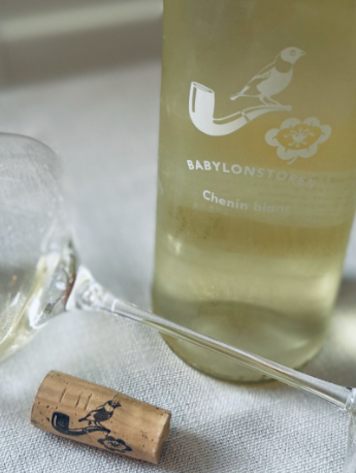
For Babylonstoren Viognier 2024 (Simonsberg-Paarl, Western Cape, South Africa), I found the following professional and critic-style ratings/reviews available:
| Reviewer / source |
Rating |
Notes |
| Tim Atkin MW (2025 South Africa Report, reported by retailer) |
91/100 |
Described as a balanced Viognier with floral character, stone fruit, and integrated oak. |
| Platter's South African Wine Guide (reported by retailer) |
89/100 (4 Stars) |
A strong score in the South African context; indicates a very good quality wine. |
| Veritas Wine Awards (reported) |
Silver Medal |
The 2024 vintage is listed as receiving a Veritas Silver award. |
| Consumer benchmark: Vivino |
3.7/5 average (all vintages listed) |
User ratings indicate broad appeal, especially for its creamy texture and floral fruit profile; this is not a professional critic score. |
Producer tasting profile (Babylonstoren):
- Style: dry, slightly wooded, medium-bodied white wine.
- Aromas: spiced tangerine, honeysuckle, orange blossom, ripe apricot, peach.
- Palate: succulent stone fruit, bitter orange freshness, balanced finish.
- Alcohol: 14%; residual sugar 3.3 g/L; acidity 6.3 g/L.
- Ageing guidance: enjoyable young, with roughly another 3–5 years of ageing potential.
Overall assessment:
A very good, polished South African Viognier, scoring around the upper-80s to low-90s point range with critics. It appears to favor a style of aromatic richness plus freshness rather than the very heavy, low-acid expression sometimes associated with Viognier. It should appeal to drinkers who enjoy peach, apricot, floral notes, and subtle oak.
Approximate critic consensus: 90–91/100 quality level (excellent/value-oriented category).
Critic tasting note: (2024 vintage) "This fruity white shows honeysuckle, orange blossom and melon on the nose. It’s full-bodied and ripe with a weighty, straightforward finish. Drink now." - James Suckling
History
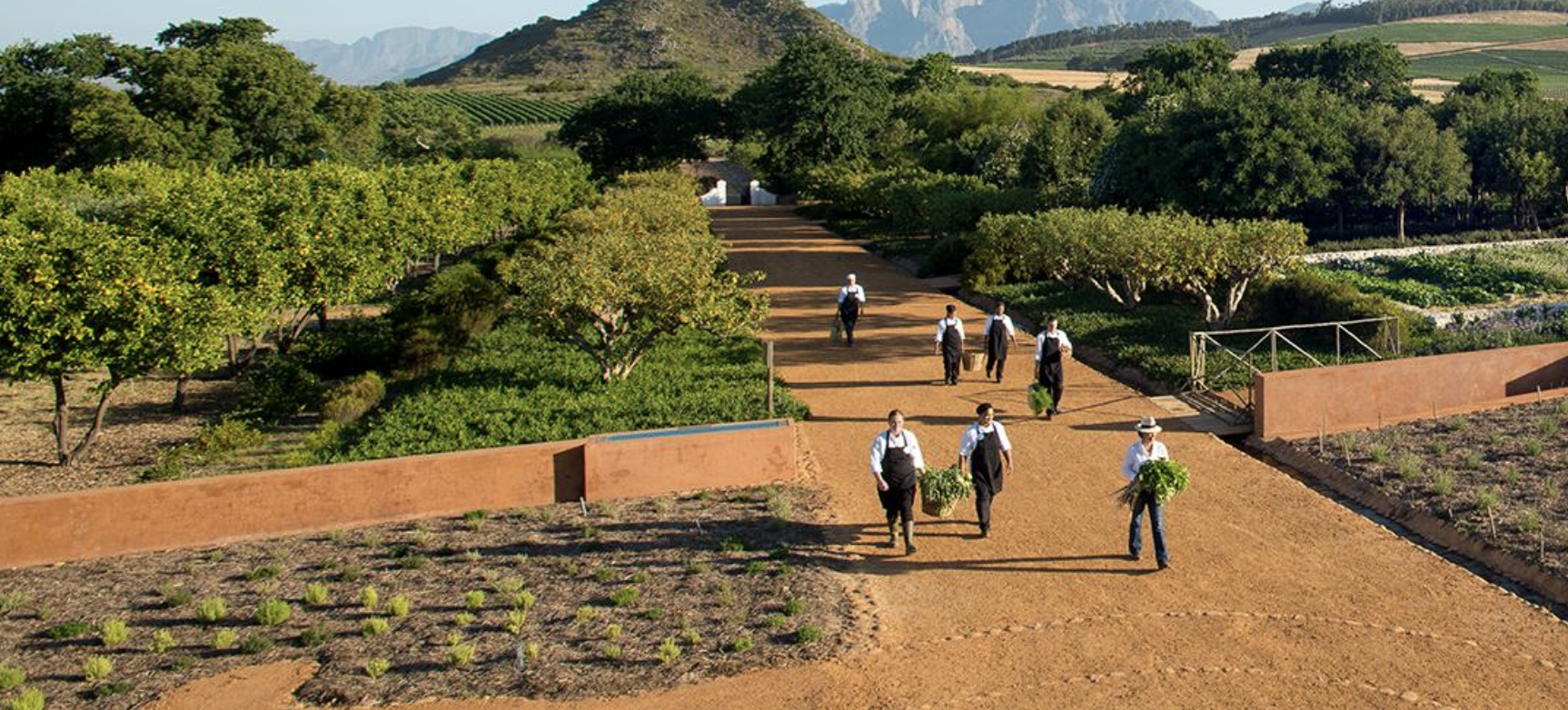
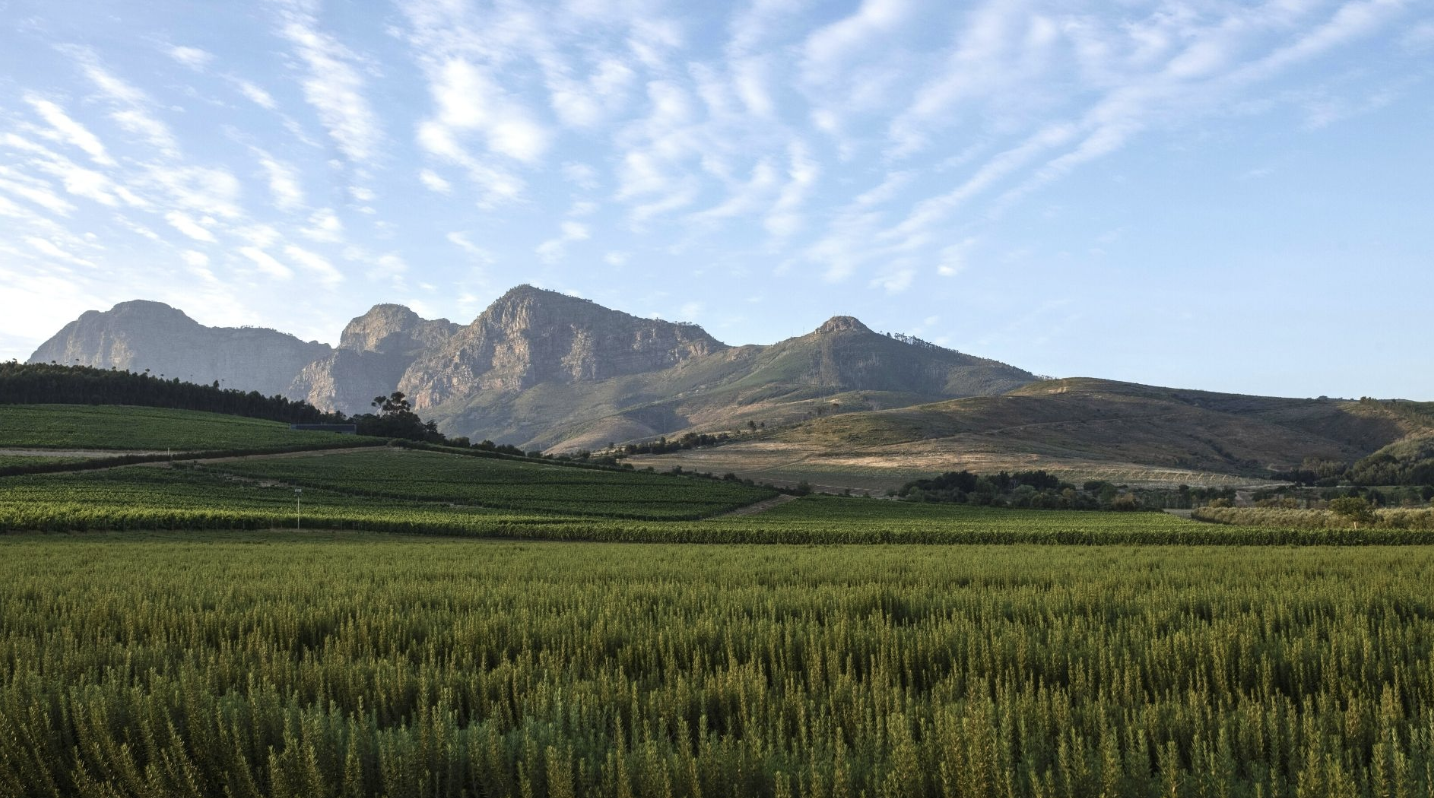
In 1692, Babylonstoren farm was granted to burgher Pieter van der Byl by the then Governor of the Cape, Simon van der Stel. Prior to that, the Drakenstein Valley had been inhabited by the nomadic Khoisan communities for tens of centuries. And so it was Pieter van der Byl who planted the first vineyards on the farm and who altered the water courses to provide irrigation.
Some of the farm’s earliest structures from that time remain on the farm today, with Babylonstoren’s Cape Dutch werf (farmyard) typical of the architectural style popular in the 17th and 18th centuries. As such it is considered to be one of the best preserved farmyards in the Cape today.
The original buildings comprise a manor house that dates back to 1777, while the Koornhuis (for storing wheat), the old cellar, ornate fowl house, dovecote, the leaning bell tower and the historic gates, all date back closer to the 1750s. A disused cow shed was transformed into the current-day Babel restaurant. When new accommodation was added to create the Farm Hotel, every care was taken to ensure that the integrity of the original architecture and its sympathetic relationship with the landscape and climate, were reflected. And so the signature look at Babylonstoren remains whitewashed walls of thick stone or primitive brick, with ornate gables and thatched roofs but with contemporary glass boxes (to house a kitchen and dining area) seamlessly added onto the Cape Dutch cottages. The result is a modern yet authentic sensibility, that takes the farm firmly into the future.